Turner Prize 2013
- Started
- Last post
- 6 Responses
- ********
And the nominees are:
http://www.tate.org.uk/whats-on/…David Shrigley
http://www.guardian.co.uk/artand…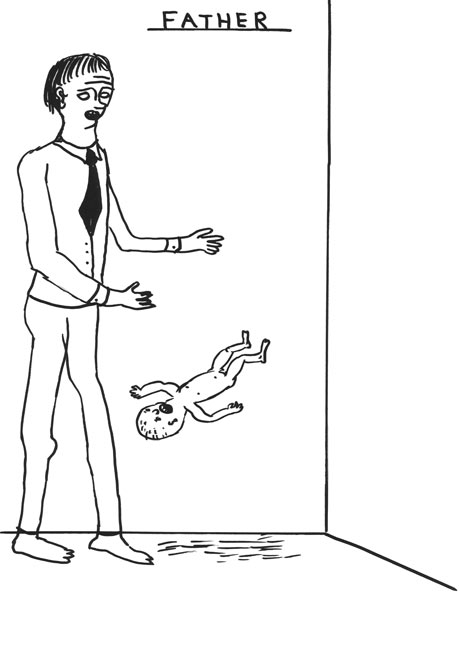
Laure Prouvost
http://www.guardian.co.uk/artand…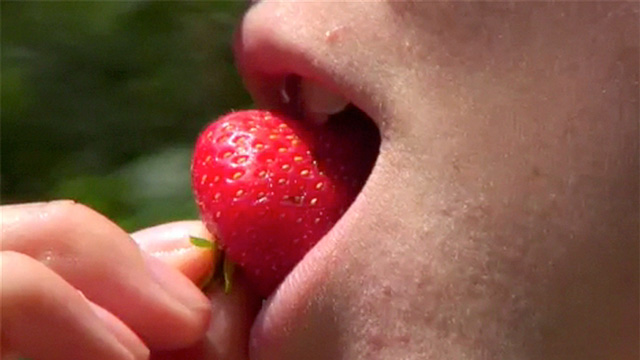
Tino Sehgal
http://www.guardian.co.uk/artand…
Lynette Yiadom-Boakye
http://www.guardian.co.uk/artand…
- ********0
Interesting that Ralph Rugoff (Director of Hayward Gallery, London) is on the jury.
The Shrigley show was Hayward's biggest earner of 2012, so is there a conflict of interest there?
- calculator0
The Turner prize seems to be so irrelevant and out-dated now. Don't even get me started on Shrigley.
- I mentioned the nominees at work, one guy started foaming at the mouth on the first utterance of his name********
- I mentioned the nominees at work, one guy started foaming at the mouth on the first utterance of his name
- Douglas0
should be every four year, or at the very least bi-annual
- ********0
Brian Eno's 1995 Turner Prize speech....
(The bit about funding is as relevant as ever)********
"The Turner Prize is justly celebrated for raising all sorts of questions in the public mind about art and its place in our lives. Unfortunately, however, the intellectual climate surrounding the fine arts is so vaporous and self-satisfied that few of these questions are ever actually addressed, let alone answered.
Why is it that all of us here – presumably members of the arts community – probably know more about the currents of thought in contemporary science than those in contemporary art? Why have the sciences yielded great explainers like Richard Dawkins and Stephen Gould, while the arts routinely produce some of the loosest thinking and worst writing known to history? Why has the art world been unable to articulate any kind of useful paradigm for what it is doing now? I'm not saying that artists should have to 'explain' their work, or that writers exist to explain it for them, but that there could and should be a comprehensive public discussion about what art does for us, what is being learned from it, what it might enable us to do or think or feel that we couldn't before. Most of the public criticism of the arts is really an attempt to ask exactly such questions, and, instead of just priding ourselves on creating controversy by raising them, trying to answer a few might not be such a bad idea. The sciences rose to this challenge, and the book sales those authors enjoy indicate a surprising public appetite for complex issues, the result of which has been a broadening social dialogue about the power and beauty and limits of science. There's been almost no equivalent in the arts.
The making of new culture is, given our performance in the fine and popular arts, just about our only growth industry aside from heritage cream teas and land-mines, but the lack of a clear connection between all that creative activity and the intellectual life of the society leaves the whole project poorly understood, poorly supported and poorly exploited.
If we're going to expect people to help fund the arts, whether through taxation or lotteries, then surely we owe them an attempt at an explanation of what value we think the arts might be to them. And if I had another two minutes of your time I'd have a go."
- colossalhead0
This should win tbh...
