KILL IT of the day
- Started
- Last post
- 382 Responses
- drgz0
- brigtick0
Tarantula hawk:
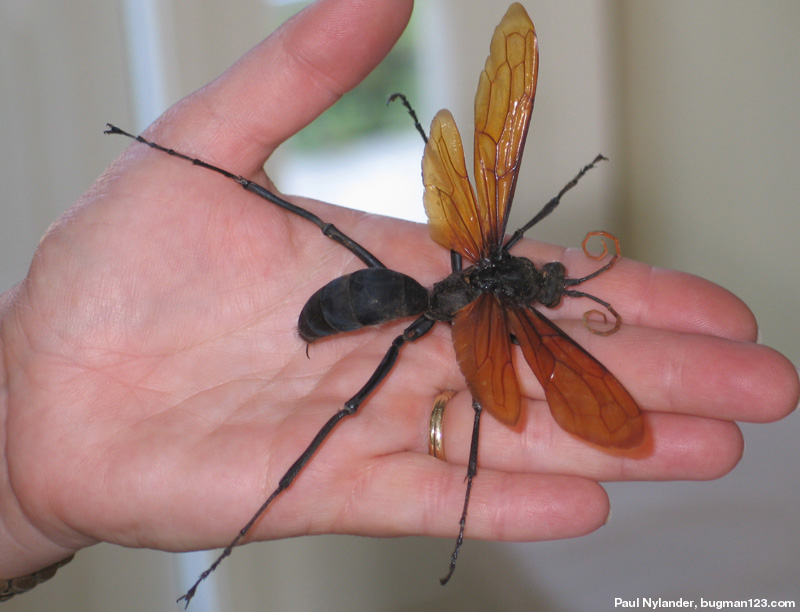
"...they capture, sting, and paralyze the spider, then they either drag the spider back into her own burrow or transport their prey to a specially prepared nest where a single egg is laid on the spider’s body, and the entrance is covered. The wasp larva, upon hatching, begins to suck the juices from the still-living spider. After the larva grows a bit, it plunges into the spider's body and feeds voraciously, avoiding vital organs for as long as possible to keep it fresh."
- Well, great. Way to give me the heebie-jeebies before bed.elahon
- God that looks like something out of a tim burton movie.CygnusZero4
- scarabin0
"Tarantula wasps are 'nectarivorous'. The consumption of fermented fruit sometimes intoxicates them to the point that flight becomes difficult."
- bigtrick0

- Fuck, that is seriously intense to let something like that crawl on your face.CygnusZero4
- 74LEO0

- gained a bit more since Beverly Hills Cop
http://www.movieacto…Peter
- gained a bit more since Beverly Hills Cop
- 74LEO0
Here she is on the beach

- Ramanisky20
Bed Bug

- Too small to really bother me all that much.CygnusZero4
- LOLali
- This thing can destroy your lifeali
- Centigrade0
When i moved to N America I expected to see the odd cockroach, not these fuckers. First one I ever saw was two years ago and was about 4/5 inches long. Plus it ran like a horse on steroids. Since moving into my new home, we've become buddies. They take care of the insects and only come out at night, and I don't kill them. Still scarey first time you see them.

- Ach they are still pretty scary I see them more than several timespixellette
- got a couple one at my gf's appartment. They ARE scary and fast as hell. But they kill all others insects in the house.benfal99
- wth is it?********
- scarabin0

SACCULINA
"Sacculina is technically a type of barnacle, a crustacean just like its crab hosts, but it was at one time mistaken for a fungus. The female begins her life in a microscopic, shrimplike swimming stage, but will discard more than 90% of her body when she locates a crab, reducing down to a blob of raw cells which grow “roots” throughout the host and eventually create a small opening for the male sacculina to enter and mate with her. If the host crab is a female, it gets tricked by the parasite into carrying, nurturing and spreading larval Sacculina as if they were its own little crablings...and even if the host crab is male, Sacculina transforms its body and mind to function just like a female anyway."
- I just stumbled this an hour ago..
Fuck parasites!!YearzOne
- I just stumbled this an hour ago..
- scarabin0

LEUCOCHLORIDIUM
"Related to tapeworms, Leucochloridium inhabits the body of a snail but must complete its life cycle in the body of a songbird. Birds don’t find snails to be particularly appetizing and wouldn’t normally notice them lurking in the shadows, but the parasite is able to reverse the snail’s behavior so that it seeks the open sun, and more disturbingly, it warps the snail’s appearance to resemble something tastier. Leucochloridium’s colorful, pulsating “brood sacs” grow within the snail’s eyestalks, transforming them into what resemble fat, striped caterpillars or maggots. Birds spot the lure from the air, rip the snail’s face off, and end up spreading the parasites around in their droppings. The snail, meanwhile, will grow back its tentacles to repeat the grim process again and again."
- scarabin0

GLYPTAPANTELES
"There are many, many species of “parasitoid” wasp whose larvae develop in the bodies of other insects, particularly caterpillars, and there are many of these which can alter their host’s behavior, but Glyptapanteles may be one of the most shocking. Like other parasitoid wasps, the larvae will eventually eat their way out of their caterpillar host to spin cocoons and develop into adults, but in this case, the process does not kill the caterpillar. Instead, the partially eaten host will stand guard over the wasp cocoons, cover them in layers of silk and flail viciously at tresspassing insects. When the parasites are finished their metamorphosis and emerge from their cocoons as wasps, the zombie caterpillar finally dies of starvation and exhaustion."
- bigtrick0
man, you really love this thread don't you scarabin
- yes, yes i doscarabin
- lol scarabin is king of this thread! he knows some nasty stuff! :DHombre_Lobo
- ********0